If you are getting ready to sell in the Upper Beaches, staging is not about making your home look trendy. It is about helping buyers see space, light, and function the moment they scroll past your listing or step through the front door. In M4C, where many homes were built in 1960 or earlier and layouts can feel more compact or segmented, smart staging can make a real difference in how your home is understood and valued. Let’s dive in.
Why staging matters in Upper Beaches
In Beaches-East York, the housing stock is a mix of detached homes, semis, and apartments, with more than half of dwellings built in 1960 or earlier. That means many sellers are working with charming older homes that may have narrower rooms, more stairs, or less open-concept flow than newer builds.
That is exactly why staging matters. Your goal is not to hide the age of the home. Your goal is to help buyers see how the space works for modern life, from family routines to hybrid work to everyday storage.
The local buyer pool is also varied. Census data for the area shows a mix of couples with children, couples without children, and one-person households, which means buyers may be looking for very different things from the same home.
A well-staged home meets that moment. It makes each room feel clear, flexible, and easy to picture living in.
What buyers are comparing your home against
Upper Beaches sellers are not competing in a vacuum. In April 2026, TRREB reported the average selling price in Toronto at $1,051,969, with detached homes in the City of Toronto averaging $1,668,973 and semis averaging $1,286,166. For Toronto East detached homes, the average was $1,180,165 and the median was $1,025,000.
At those price points, buyers expect a home to feel move-in ready, thoughtfully presented, and professionally marketed. Even if your finishes are not brand new, the home should still feel cared for, clean, and easy to understand.
Digital presentation matters just as much as in-person presentation. CREA reports that visitors who view videos and virtual tours are 48% more likely to contact a REALTOR®, and 88% of visitors who view listings click on the photos.
That means many buyers will form their first impression online. If your rooms look crowded, dark, or undefined in photos, some buyers may never book a showing.
Start with flow, light, and scale
In older east-end homes, staging works best when it focuses on three things: flow, light, and scale. Buyers need to move visually through the home without feeling blocked by oversized furniture, heavy decor, or too many personal items.
Start by removing anything that interrupts natural pathways. If a room feels hard to walk through, it will usually feel smaller in photos too.
Next, think about light. Open window coverings, simplify decor around windows, and avoid dark or bulky pieces that absorb brightness. Many older homes have great character, but they often need help feeling fresh and open.
Then look at scale. A room does not need more furniture to feel complete. It needs the right amount of furniture, sized properly, so buyers can understand the room and still notice the architecture.
Stage for today’s buyer
Today’s buyers often want more from every square foot. CREA notes that buyers continue to place value on larger spaces, dedicated home offices, and virtual showings.
That does not mean every Upper Beaches home needs a full renovation before listing. It means your staging should show purpose. A spare bedroom, basement nook, or loft area should not read as storage overflow if it can be shown as a home office, guest room, or flexible living space.
When buyers can see how a room supports modern life, the whole home feels more useful. That is especially important in homes where the footprint is efficient rather than expansive.
Room-by-room staging tips
Front exterior and entry
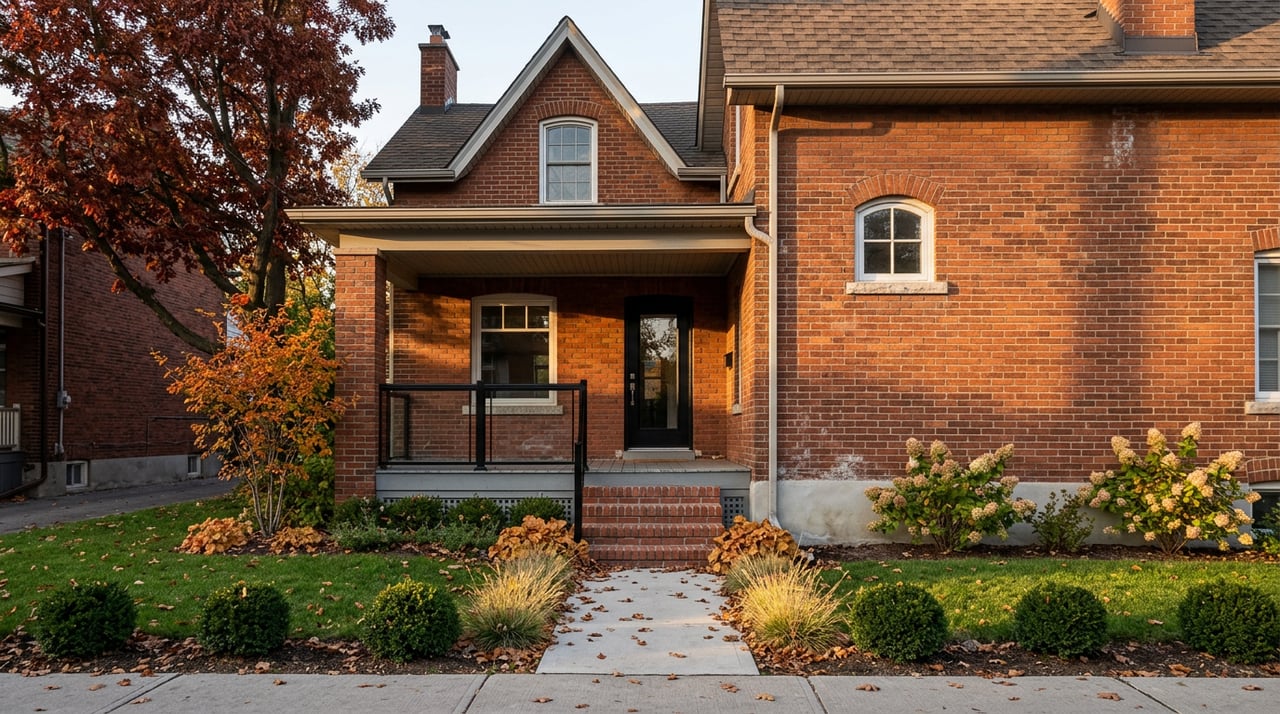
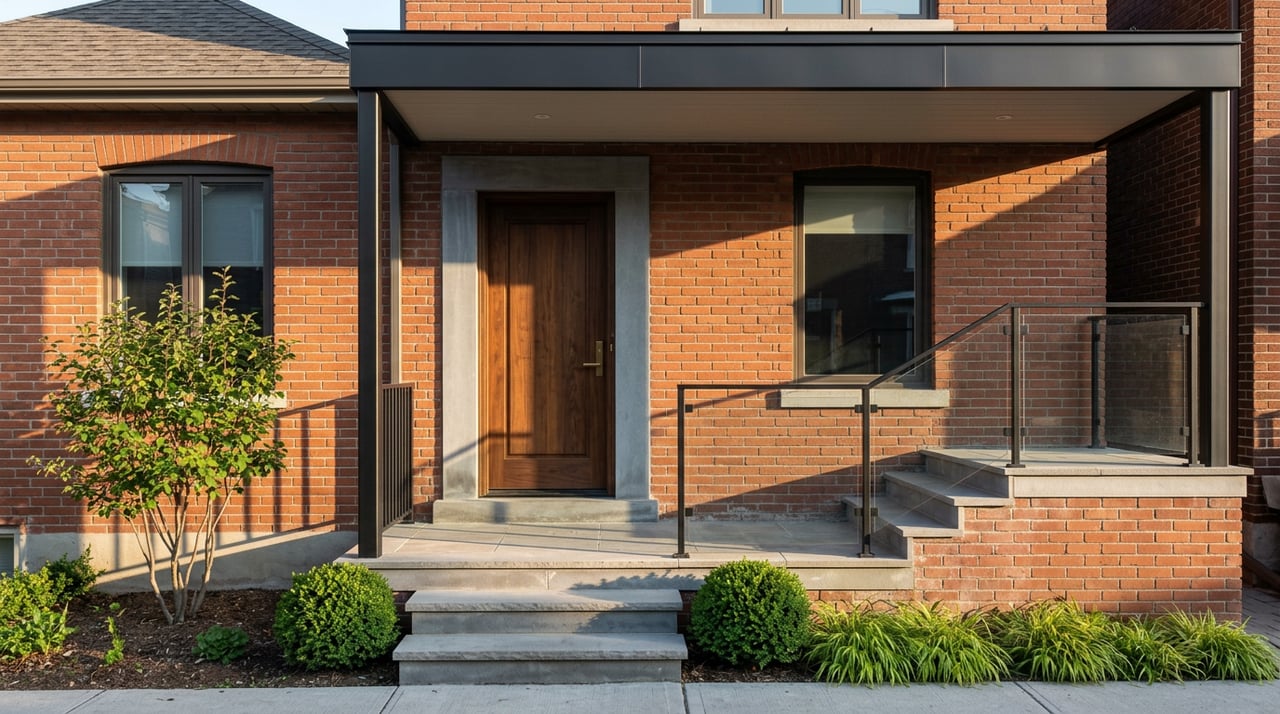
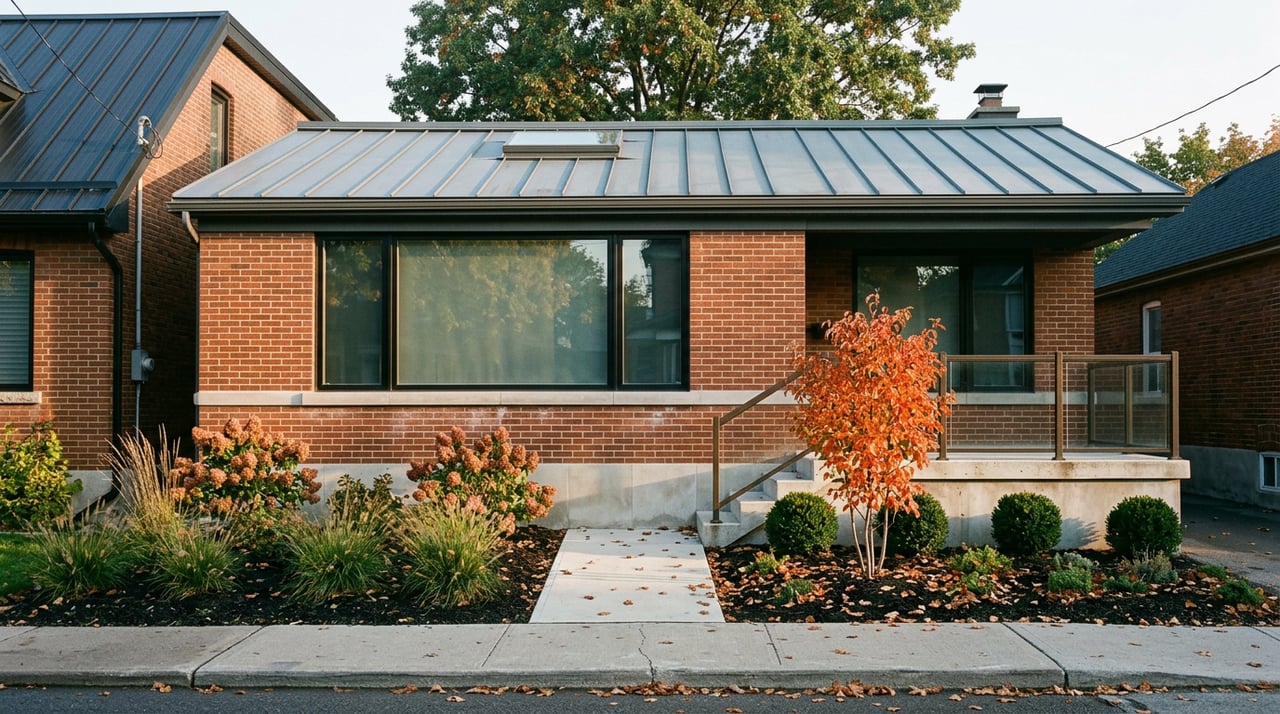
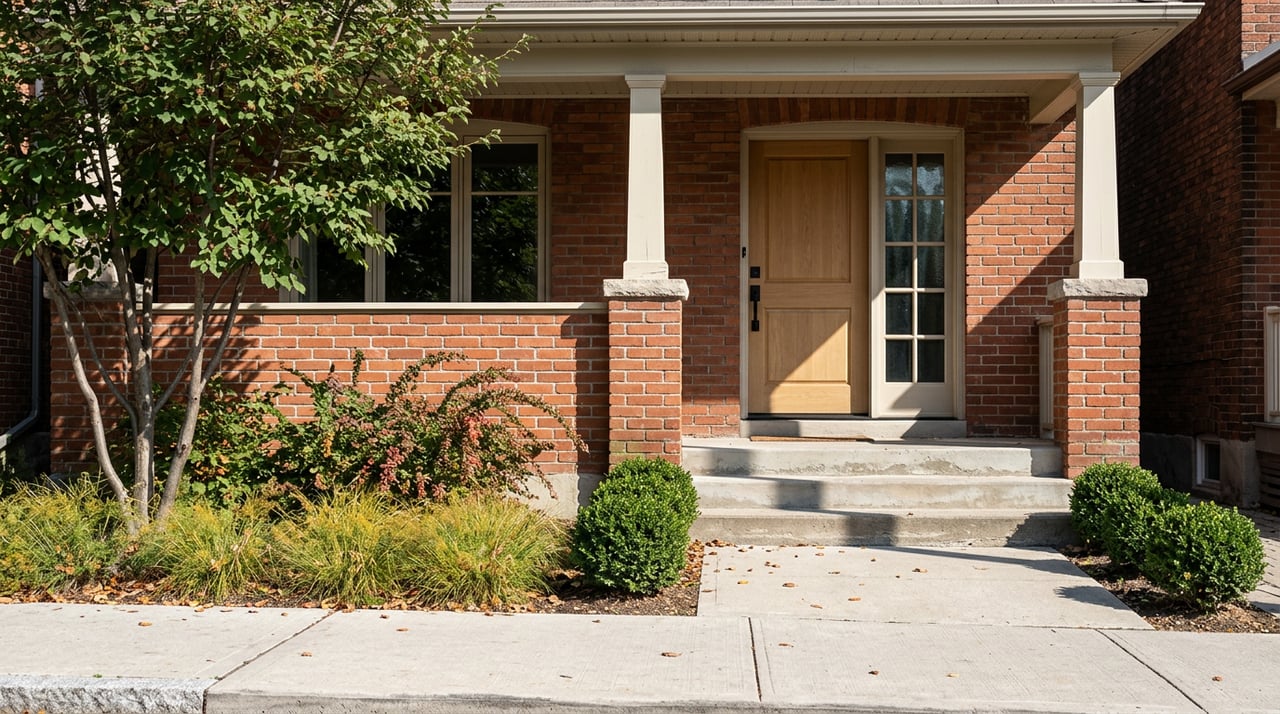
Buyers often judge the home by the exterior first, both online and in person. A clean walkway, tidy steps, and a simple, bright front entry can set the tone before they even step inside.
Keep the porch neat and remove anything that feels distracting or crowded. If space allows, one or two simple accents are enough.
Your first exterior photo should feel welcoming and clear. In a competitive market, even small curb appeal updates can improve the overall impression.
Living room
The living room is one of the most important rooms to stage, and NAR reports it is the most commonly staged room at 91%. In many Upper Beaches homes, this is where buyers decide whether the main floor feels comfortable or cramped.
Use furniture that fits the room rather than filling every wall. Keep seating conversational, leave breathing room around larger pieces, and avoid blocking windows.
If the room is narrow, be extra careful with scale. The space should feel easy to move through, not packed to capacity.
Kitchen
Your kitchen should read clean, bright, and easy to maintain. Clear most counters, wipe handles and knobs, and keep the fridge organized.
A few intentional items can work, but clutter works against you here. Buyers want to see prep space, storage, and cleanliness.
Before showings, avoid lingering cooking smells. Even a visually strong kitchen can lose impact if it does not feel fresh.
Dining area
NAR reports the dining room is staged in 69% of staged homes, and that matters even in smaller Toronto houses. If you have a dining room or dining nook, define it clearly.
A simple table setting can help, but keep it light. Buyers should be able to see the room’s dimensions and move comfortably around the table.
In homes where the dining space does double duty, staging should still make its main use easy to understand. Clear function helps buyers process the layout faster.
Primary bedroom
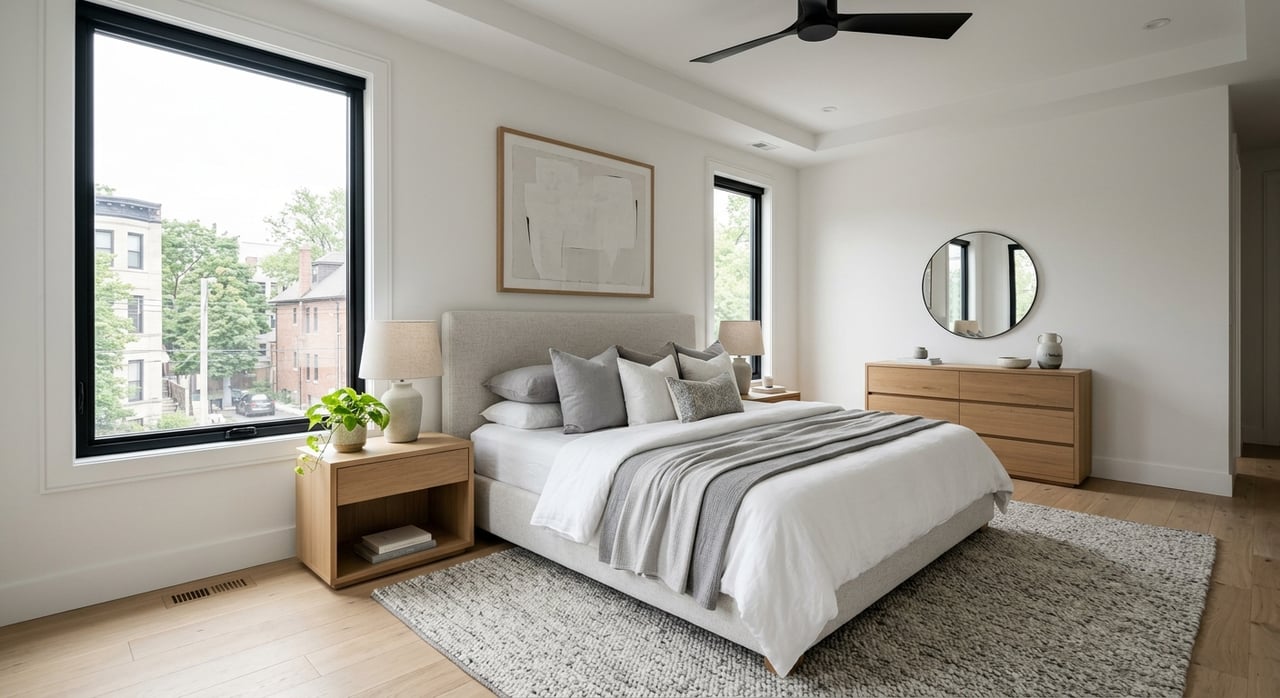
The primary bedroom should feel calm, simple, and restful. NAR reports this room is staged in 83% of staged homes, which reflects how important it is to buyers.
Use neutral bedding, tidy nightstands, and minimal furniture. In compact bedrooms, showing open floor space matters as much as style.
The room should feel like a place to unwind, not a place where every inch is spoken for.
Secondary bedroom or home office
One secondary room should usually show flexibility. If the layout allows, staging it as a home office or well-defined flex room can add real value to the listing story.
This is especially useful in Upper Beaches homes where extra rooms may be modest in size. Buyers still want to know that the home can support work, guests, hobbies, or changing life stages.
The key is clarity. Do not make the room do three jobs at once.
Bathrooms
Bathrooms should feel spotless and simple. Clear counters, hide personal items, replace worn towels, and make sure mirrors and fixtures are clean.
Even if the finishes are older, buyers respond well to bathrooms that look carefully maintained. A clean, hotel-like feel goes a long way.
This is one of the fastest areas for buyers to read as either well-kept or neglected, so details matter.
Basement, laundry, and storage
In older homes, buyers often look closely at the lower level. They want to understand whether the basement feels like true usable space or just a utility area.
Bright lighting, clean floors, and organized storage can shift that impression quickly. If possible, give the space one clear purpose, such as a rec room, office zone, workout area, or tidy laundry and storage setup.
When the basement feels functional, buyers are more likely to count it as part of the home’s everyday value.
Backyard, deck, or garage
Outdoor space should feel usable, not forgotten. Sweep hard surfaces, trim plantings, and remove anything broken or bulky.
If you have a deck, patio, or small seating area, show it as a lifestyle feature. If you have a garage, make sure it looks organized enough for buyers to appreciate the storage potential.
In a neighbourhood setting, these spaces can help round out the story of how the home lives beyond the interior walls.
Don’t stage just for showings
One of the biggest mistakes sellers make is treating staging as something meant only for open houses. In reality, staging should begin with the camera.
CREA recommends staging before professional photography because lighting, angles, and shadows matter. The house should be photo-ready before photos or video are scheduled, not quickly tidied the night before.
That is important because strong digital media drives early interest. Clean photos, video, and virtual tours help buyers understand the property and encourage more serious showing activity.
A smart launch sequence usually looks like this:
- Declutter, depersonalize, and clean
- Stage key rooms for flow and function
- Complete photography and video
- Launch the listing with strong digital presentation
- Keep the home showing-ready with lights on, window coverings open, and distractions minimized
The goal is confidence
The best staging does not feel forced. It feels easy, polished, and believable.
In the Upper Beaches, that often means making an older home feel brighter, calmer, and more functional without stripping away its character. Buyers do not need perfection. They need confidence in how the home will live day to day.
When your home is presented with that level of care, it stands out for the right reasons. And in a market where buyers are comparing both price and presentation, that edge matters.
If you are thinking about selling in the Upper Beaches, thoughtful staging and smart digital marketing can make a meaningful difference in your result. Derek Ladouceur offers design-minded presentation, professional marketing, and local guidance to help you prepare your home for a standout sale.
FAQs
How important is staging for an Upper Beaches home sale?
- Staging is especially important in Upper Beaches homes because many properties have older layouts that benefit from better flow, light, and room definition.
Which rooms should sellers stage first in an M4C home?
- Start with the exterior entry, living room, kitchen, primary bedroom, bathrooms, and one secondary room that can show flexible use.
Should you stage a spare bedroom as an office in Upper Beaches?
- Yes, if the layout supports it. Buyers continue to value dedicated work space, and a clearly staged office can help them see how the home fits modern routines.
Do professional photos matter after staging a Toronto home?
- Yes. Digital presentation matters because many buyers first experience your home through photos, video, and virtual tours before deciding to book a showing.
What is the main staging goal for older Toronto homes?
- The main goal is to help buyers see the home as bright, functional, and easy to live in today, rather than trying to disguise its age or character.