If you want Toronto access without feeling like you live in the middle of a dense downtown core, Upper Beaches often lands on the shortlist for good reason. It gives you an established east-end setting, practical main-street conveniences, and easy access to green space and the waterfront. If you are trying to decide whether this part of M4C fits your lifestyle, here is what daily life in Upper Beaches really feels like. Let’s dive in.
Upper Beaches at a glance
Upper Beaches sits within Toronto’s Beaches-East York area and has the feel of a settled residential neighbourhood rather than a condo-heavy district. Ward-level census data show 108,500 residents, a median age of 41.2, a median household income of $89,000, and an average household size of 2.37. About 55.8% of homes are owner-occupied, which points to a neighbourhood with a mix of owners and renters.
In practical terms, Upper Beaches often feels like a quieter residential area tucked behind busier commercial streets. A City planning brief describes low-rise residential fabric north of Queen Street East and identifies Queen as a major commercial main street. That balance is a big part of the area’s appeal if you want a neighbourhood that feels lived-in and connected.
Housing in Upper Beaches
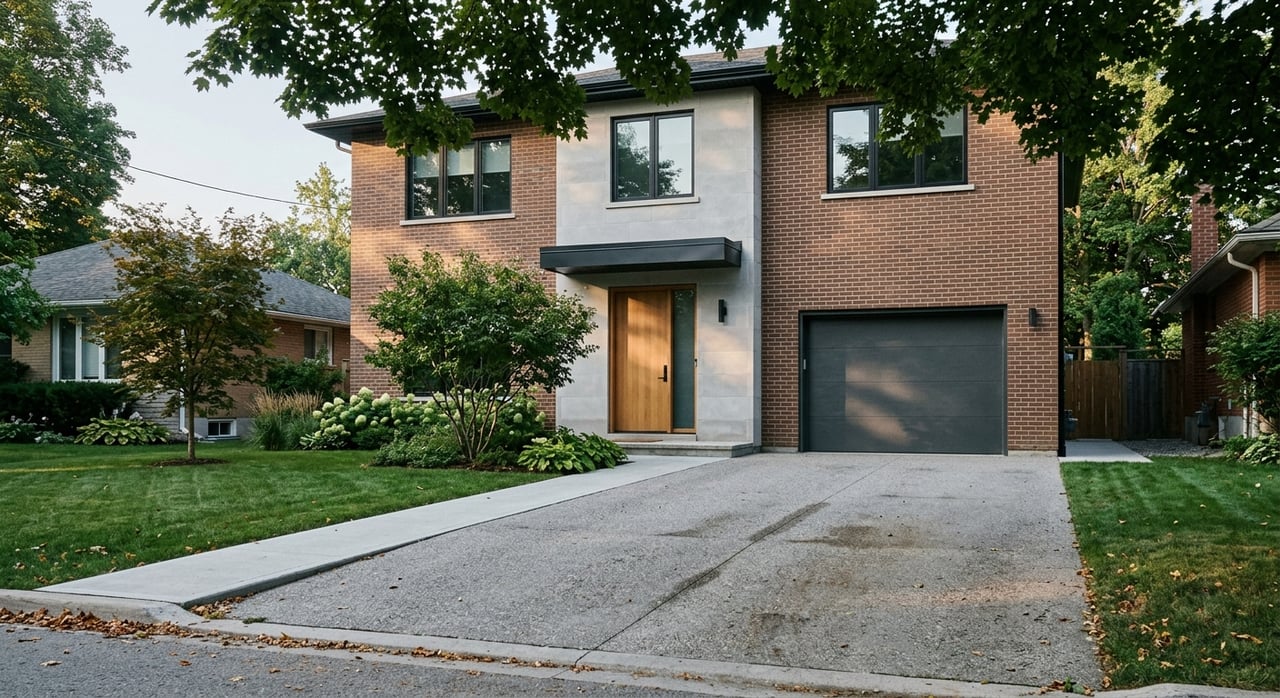
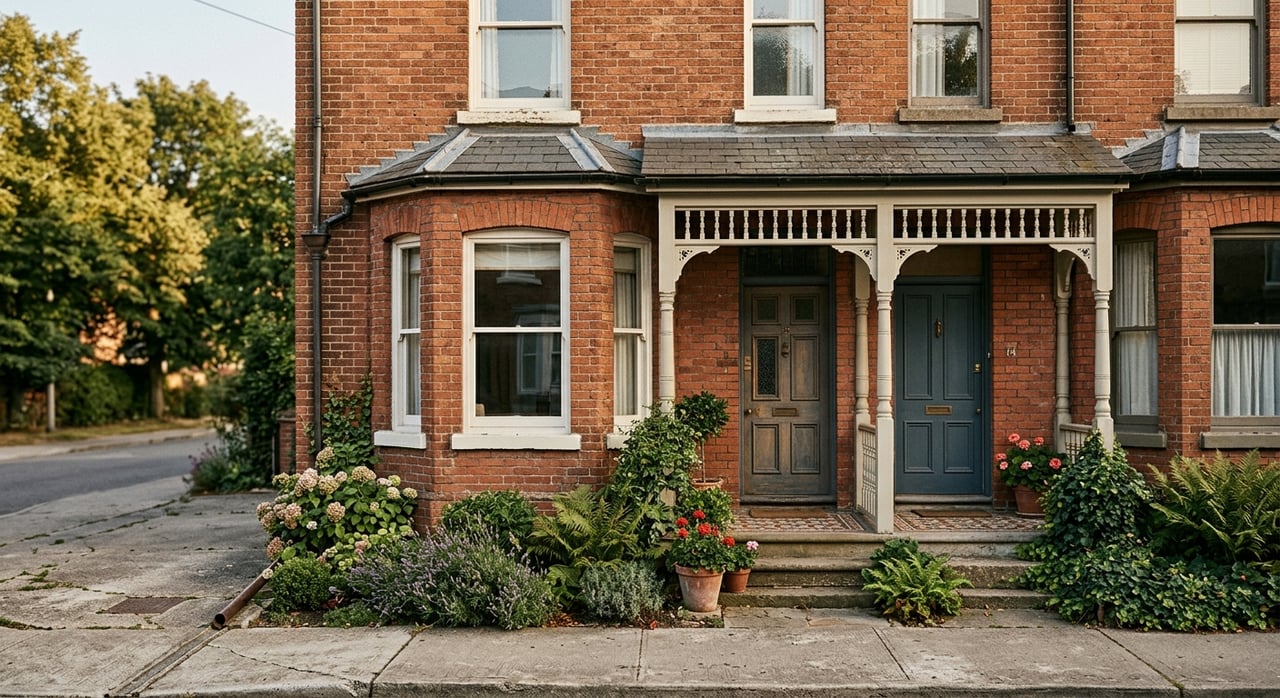
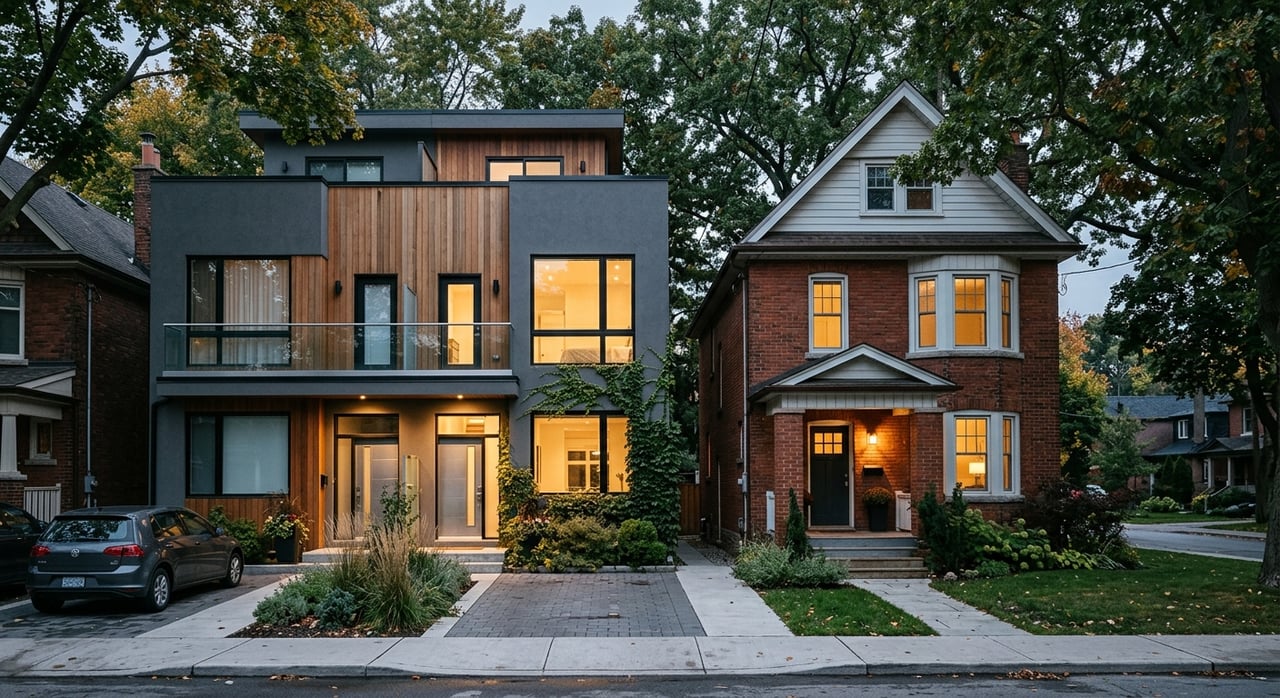
One of the first things you notice in Upper Beaches is that the housing stock feels older and lower rise than many other parts of Toronto. The local housing mix includes single-detached homes at 28.0%, semi-detached homes at 14.5%, low-rise apartments under five storeys at 23.6%, and apartments in buildings with five or more storeys at 25.2%. Compared with Toronto overall, there is more detached and semi-detached housing here and less high-rise living.
That matters if you are looking for character, mature streetscapes, and housing types that support different stages of life. More than half of local dwellings were built in 1960 or earlier, at 55.3%. For buyers, that can mean more traditional layouts and older construction, with apartment and condo pockets mostly closer to major corridors.
What the streetscape feels like
Upper Beaches is not one-note. Some pockets feel calm and residential, while nearby corridors bring more shops, restaurants, and everyday services into the mix. That variety makes it easier to have a quieter home base without giving up convenience.
Queen Street East plays a major role in that rhythm. The Beach BIA runs from Coxwell to Neville Park Road and includes independently owned shops, boutiques, restaurants, cafes, and service businesses. It also hosts community events like Movie Nights in the Park and Halloween on Queen, which adds to the area’s local, community-based feel.
Danforth Avenue and Kingston Road also shape daily life in Upper Beaches. Danforth Mosaic BIA represents more than 500 businesses, while Danforth Village BIA includes chain stores and smaller street-front businesses such as specialty food shops, pubs, and restaurants. The City also identifies Kingston Road as one of Toronto’s important main streets, so errands and casual outings do not need to revolve around just one corridor.
Everyday convenience is a big draw
If you are someone who values being able to grab coffee, pick up groceries, run errands, or meet a friend nearby, Upper Beaches checks a lot of boxes. The neighbourhood is not trying to be a nonstop entertainment district. Instead, it offers the kind of convenience that supports real day-to-day living.
That is especially appealing for first-time buyers, move-up buyers, and households that want a neighbourhood with steady routines. You get access to local commercial strips and service businesses without the intensity of a denser downtown setting. For many people, that feels like a better long-term fit.
Green space sets Upper Beaches apart
One of the strongest lifestyle advantages in Upper Beaches is how easy it is to spend time outdoors. You are close to some of the east end’s most appealing natural and recreational spaces, which gives the neighbourhood a more relaxed and balanced feel. That access is a major reason many buyers look here.
Glen Stewart Ravine
Glen Stewart Ravine is an 11-acre ravine with steep wooded slopes, according to City trail information. The City also identifies it as an Environmentally Significant Area protected by Official Plan and ravine and natural feature rules. For residents, it offers a very different experience from a typical city park and brings a strong sense of nature into daily life.
Woodbine Park and Woodbine Beach
Woodbine Park adds another layer to the outdoor lifestyle. The City describes it as a large ecological park with flowering plantings, an ornamental fountain, and a natural pond. Nearby Woodbine Beach is one of Toronto’s supervised beaches, with lifeguard supervision and beach maintenance typically running from June through September.
That means beach access is not just a nice extra. It is a real part of warm-weather living in this area. Whether you like long walks, casual bike rides, or sitting by the water after work, the neighbourhood makes those routines easy to build into your week.
Year-round outdoor appeal
Upper Beaches is not only a summer neighbourhood. Kew Gardens is getting a new skating trail and related winter recreation upgrades, which adds to the area’s four-season appeal. If you want a Toronto neighbourhood where outdoor spaces matter in more than one season, this area stands out.
Transit works well here
For many buyers, Upper Beaches hits a sweet spot between residential feel and useful transit access. You are not relying on a single route, and that can make a big difference if you commute or prefer a mostly car-light routine. Strong east-end transit is one of the neighbourhood’s practical advantages.
Main Street Station is an accessible Line 2 subway station. TTC routes 64 Main and 113 Danforth operate all day, every day, until 1 a.m. The 501 Queen streetcar and 506 Carlton streetcar add east-west options, while the 12 Kingston Rd bus connects the area to Victoria Park, Kennedy, and Scarborough destinations.
Danforth GO at 213 Main Street adds another useful option for regional travel. It offers accessible train service, elevators, a waiting room, Wi-Fi, and bike racks. One point to know is that there is no free customer parking, so it helps to plan accordingly.
What buyers usually like most
Upper Beaches tends to appeal to buyers who want a neighbourhood that feels established and practical. The draw is not constant nightlife or tower living. It is the combination of older homes, lower-rise streets, outdoor access, and main-street convenience.
You may especially like Upper Beaches if you are looking for:
- Older housing with more traditional neighbourhood character
- Access to the beach, ravines, and parks
- A residential setting with nearby commercial strips
- Transit that supports a mostly car-light lifestyle
- A location that feels connected to the east end without feeling too busy
For growing households, that balance can be especially attractive. You get room to think long term while still staying plugged into the city.
What may be less appealing
Upper Beaches is not the best fit for every buyer. If you want a dense condo core, high-energy nightlife, or a downtown atmosphere right outside your door, the area may feel too quiet or too residential. The neighbourhood’s identity is more about consistency and livability than constant activity.
It is also worth paying attention to infrastructure work when you are evaluating the area. As of spring 2026, the City is upgrading Danforth Avenue between Main Street and Victoria Park Avenue, with construction scheduled from February 2026 through Fall 2026. The long-term plan includes safety, greening, loading, and parking improvements, but construction can affect the short-term main-street experience.
Is Upper Beaches a good fit for you?
Upper Beaches makes sense if you want a Toronto neighbourhood that feels grounded. It offers a mix of older housing, practical shopping streets, strong outdoor access, and transit that makes daily movement easier. That combination is hard to find if you want both city convenience and a more settled residential atmosphere.
If you are buying or selling in the east end, neighbourhood fit matters just as much as square footage or finishes. Upper Beaches has a distinct rhythm, and the best way to evaluate it is through local insight, street-by-street context, and a clear understanding of how you want to live. If you want help exploring homes or understanding how Upper Beaches compares with nearby east-end areas, connect with Derek Ladouceur to book a showing or request a free home valuation.
FAQs
What is Upper Beaches in Toronto like for daily living?
- Upper Beaches offers an established residential feel with access to Queen Street East, Danforth Avenue, and Kingston Road for shops, restaurants, and services, plus strong access to parks, ravines, and the waterfront.
What types of homes are common in Upper Beaches?
- The area includes a mix of single-detached houses, semi-detached houses, low-rise apartments, and some larger apartment buildings, with much of the housing stock built in 1960 or earlier.
Is Upper Beaches a good area for transit in Toronto?
- Yes. The area is served by accessible Main Street Station, all-day TTC bus routes, the 501 Queen and 506 Carlton streetcars, and Danforth GO for regional rail access.
What outdoor spaces are near Upper Beaches?
- Nearby outdoor spaces include Glen Stewart Ravine, Woodbine Park, Woodbine Beach, and Kew Gardens, giving residents access to trails, parkland, waterfront space, and seasonal recreation.
Is Upper Beaches more urban or more residential?
- Upper Beaches generally feels more residential than highly urban, with quieter low-rise streets behind busier commercial corridors rather than a dense downtown-style environment.
Who is Upper Beaches a good fit for?
- Upper Beaches is a strong fit if you want older housing, beach and ravine access, local main-street convenience, and transit that supports a mostly car-light lifestyle.