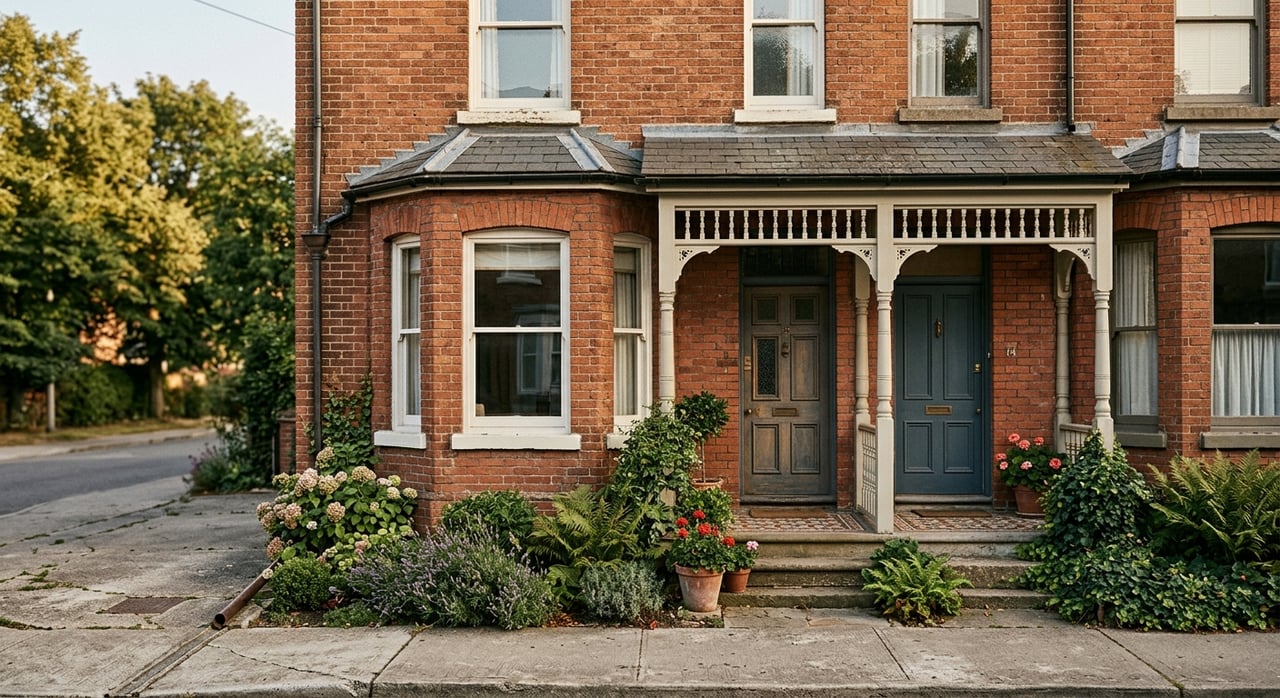
Trying to decide between Riverdale and Leslieville for your next move? If you’re selling a condo or outgrowing your current space, this choice can shape your daily routine, budget, and long-term comfort in a big way. The good news is that both east-end neighbourhoods offer strong lifestyle appeal, solid transit access, and a clear sense of place. The real question is which one fits the way you want to live next. Let’s dive in.
Why move-up buyers compare these areas
If you’re moving up from a condo, Riverdale and Leslieville often end up on the same shortlist. They sit close to each other, both offer established east Toronto character, and both appeal to buyers who want more space without leaving the city.
That said, they do not feel the same once you start walking the streets and comparing housing options. Riverdale tends to read as more house-focused and residential, while Leslieville feels more tied to main-street energy and a broader mix of home types.
Riverdale at a glance
Riverdale is often understood through North Riverdale and South Riverdale in City materials. The area includes some of the earliest properties east of the Don River, with development stretching from the mid-1880s to the First World War and a mix of historic house forms.
For many move-up buyers, that history shows up in the streetscape right away. You get mature residential blocks, older homes with character, and a neighbourhood feel that is often centered on houses rather than a single retail strip.
Riverdale feels more house-dominant
City neighbourhood profiles show North Riverdale as heavily made up of single-detached and semi-detached homes. South Riverdale is still house-led, but it includes more row houses, duplexes, and apartment forms in the mix.
If your goal is to move from condo living into a classic house setting, Riverdale often lines up with that vision. It tends to suit buyers who are willing to stretch for interior space, older architecture, and tighter supply.
Riverdale is quieter inside the neighbourhood
Riverdale is walkable, but the walkability is different from Leslieville’s. Its residential fabric is more prominent, with day-to-day services and shopping concentrated along corridors such as Broadview Avenue, Danforth Avenue, and Gerrard Street.
In practical terms, many interior streets feel calmer and more removed from retail activity. If you want a quieter block and do not mind heading to a nearby corridor for errands, that can be a major plus.
Riverdale stands out for parks
Riverdale has some of the east end’s strongest green-space amenities. Riverdale Park East is a year-round destination with skyline views, Riverdale Farm includes 7.5 acres of wooded areas, ponds, and gardens, and Withrow Park adds another major community space with a toboggan hill and farmers’ market.
For buyers thinking beyond square footage, this matters. Easy access to large, well-known parks can change how your week feels, especially if you want more outdoor time close to home.
Leslieville at a glance
Leslieville is usually framed through Queen Street East and South Riverdale planning materials. City planning and heritage documents describe Queen Street East as a lively, low-scale main street with heritage properties, small businesses, and a pedestrian-oriented public realm.
That gives Leslieville a different rhythm from Riverdale. It often feels more animated, more retail-connected, and more like an urban village built around daily convenience.
Leslieville offers more transition points
Compared with Riverdale, Leslieville tends to provide a broader range of housing options. The wider South Riverdale area includes row houses, duplexes, and apartment forms alongside houses, which can make the jump from condo ownership feel more manageable.
For some buyers, that flexibility is the key advantage. You may have more options to balance budget, space, and location without needing to jump straight into the highest-priced house segment.
Leslieville is more main-street centered
One of Leslieville’s biggest draws is the Queen Street East corridor. The Leslieville BIA spans Queen Street East from Empire Avenue to Vancouver Avenue and is known for restaurants, cafes, bars, retail shops, and boutiques.
If you like stepping out for coffee, dinner, or everyday errands on foot, Leslieville makes that lifestyle easier to picture. Its walkability is more retail-heavy and street-life oriented than Riverdale’s more residential version.
Leslieville has strong recreation access too
Leslieville’s parks and recreation profile is different, but still appealing. Jimmie Simpson Park and Recreation Centre offer sports fields and recreation uses, and Leslie Grove Park is the focus of a City playground improvement project.
The neighbourhood also benefits from stronger proximity to the lakefront and the Martin Goodman Trail along its southern edge. If waterfront access and cycling routes matter to you, Leslieville may feel especially convenient.
Price and housing mix differences
For many move-up buyers, the Riverdale versus Leslieville decision comes down to lifestyle and budget at the same time. TRREB’s latest Toronto East community report shows North Riverdale at a clearly higher price level than South Riverdale, which supports the common market view that Riverdale trades at a premium versus Leslieville.
That pricing gap fits with the housing stock. Riverdale generally offers a more house-dominant environment and often appeals to buyers chasing detached or semi-detached homes with older character, while Leslieville usually gives you a wider range of entry points and more flexibility.
What that means for your search
If you are stretching to buy your first house, Riverdale may ask more from your budget. In return, you may get the kind of home and street setting that feels like a long-term hold.
If you want to move up without giving away all your flexibility, Leslieville may offer a smoother transition. You can still get ground-related ownership, strong local character, and a walkable lifestyle, often with more options across home types.
Transit and commuting
Transit is solid in both neighbourhoods, but the route mix is not identical. Leslieville is anchored by the 501 Queen streetcar and also connects to the 506 Carlton streetcar around Gerrard Street East and Coxwell Avenue.
Riverdale is anchored more by Broadview Station and the Broadview corridor, including route 8 Broadview and connections into 504 and 505 service around Broadview. Depending on where you work and how often you use the TTC, one setup may feel more direct than the other.
Which neighbourhood fits your lifestyle?
The better choice depends less on which neighbourhood is objectively better and more on what kind of daily life you want. Both areas are established, walkable, and well-loved in Toronto’s east end, but they solve the move-up question in different ways.
Choose Riverdale if you want:
- A more house-dominant neighbourhood
- Stronger odds of finding detached or semi-detached housing
- Historic homes and deeper heritage character
- Quieter residential streets away from retail activity
- Easy access to major parks like Riverdale Park East and Withrow Park
Choose Leslieville if you want:
- A livelier main-street atmosphere
- More day-to-day retail energy on foot
- A broader mix of housing types
- A more flexible step up from condo ownership
- Better proximity to the lakefront and Martin Goodman Trail
A simple way to think about it
For many east-end condo owners, the clearest framing is this: Riverdale is often the stretch-for-the-house option, while Leslieville is the more flexible urban-village alternative. Neither is a wrong move, but each points to a different version of “more space.”
If you care most about landing a classic house on a quieter residential street, Riverdale may be worth the extra push. If you want to protect some budget while keeping a lively, walkable neighbourhood feel, Leslieville may be the stronger fit.
When you’re comparing two strong neighbourhoods, the best next step is to look beyond headlines and into the homes, blocks, and trade-offs that match your real-life priorities. If you want help narrowing the field in east Toronto, Derek Ladouceur can help you compare homes, streets, and value with a local, neighbourhood-first approach.
FAQs
Which neighbourhood is more expensive for move-up buyers, Riverdale or Leslieville?
- Riverdale, especially North Riverdale, generally sits at a higher price level than South Riverdale, which supports the common view that Riverdale trades at a premium versus Leslieville.
Which area has more house options for buyers moving up from a condo?
- Riverdale is more house-dominant overall, especially in North Riverdale, where single-detached and semi-detached homes make up a large share of the housing stock.
Which neighbourhood offers a busier main street, Riverdale or Leslieville?
- Leslieville is more main-street centered, with Queen Street East known for its restaurants, cafes, bars, shops, and pedestrian-oriented feel.
Which neighbourhood has better parks for buyers considering Riverdale or Leslieville?
- Riverdale stands out for major green spaces like Riverdale Park East, Riverdale Farm, and Withrow Park, while Leslieville offers recreation spaces such as Jimmie Simpson Park and access toward the lakefront.
Which area has better transit for commuting in east Toronto?
- Both offer strong transit access, but Leslieville is more anchored by the 501 Queen and 506 Carlton streetcars, while Riverdale is more tied to Broadview Station and the Broadview corridor.