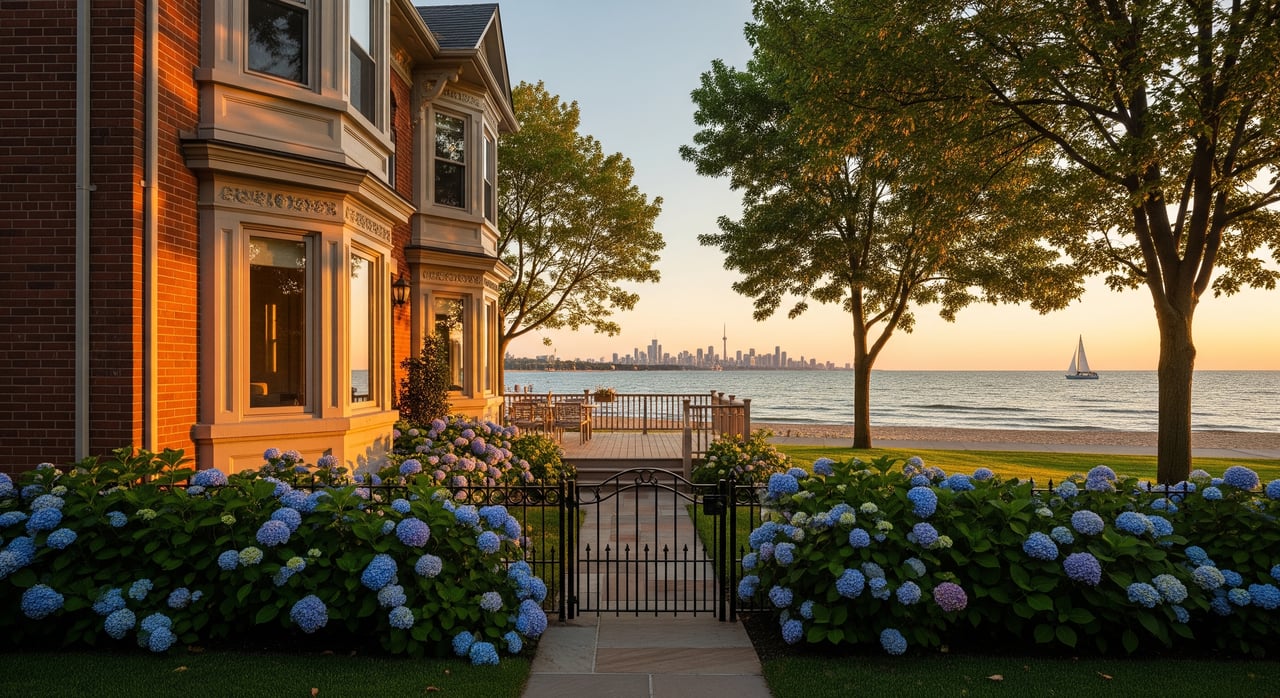
Picture early mornings on a wooden boardwalk, coffee in hand, with Lake Ontario stretching out in front of you. If you are considering an east-end move, The Beaches offers a rare blend of waterfront living and small-town charm within city limits. In this guide, you will learn how daily life flows here, what homes are like, how you will get around, and the practical details to check before you buy. Let’s dive in.
The Beaches at a glance
The Beaches, also called The Beach, sits along Toronto’s east-end shoreline centered on Queen Street East. In the M4E postal area, you are close to the boardwalk and beaches to the south, with streets leading north toward Danforth and east toward Victoria Park. The feel is walkable and community-driven, with independent cafés, shops, and services lining Queen Street East and parts of Kingston Road.
Summer brings a lively scene, while the off-season shifts to a quieter, local rhythm. Many people choose this area for the waterfront lifestyle, access to parks, and a strong sense of place that still connects easily to downtown.
Daily life on the waterfront
Boardwalk and beaches
You will find a continuous sandy shoreline and a wood-plank promenade that locals use for walks, dog outings, and bike rides. The main beaches are Woodbine Beach, Kew Beach, and Balmy Beach. In swim season, the City typically provides lifeguards, designated swimming areas, washrooms, and seasonal concessions. The City also posts weekly water-quality advisories, so you can check conditions before you swim.
Parks and trails
Kew Gardens is a central community hub with green space and a playground, and it connects easily to the beach. Woodbine Park offers broad lawns and paths near Woodbine Beach, while Ashbridges Bay Park features a marina, boat launch, and access to multi-use trails. If you love cycling or running, the waterfront trail system makes it simple to build a commute or a weekend loop.
Community rhythm and events
The Beaches feels like a small town in the city, especially along Queen Street East where you can run daily errands on foot. Summer is busier with visitors, patio crowds, and street energy. The signature annual highlight is the Beaches International Jazz Festival in July, which brings outdoor music and street activity. Event schedules change year to year, so it is worth confirming details before making plans.
Housing styles and what to expect
Classic homes with character
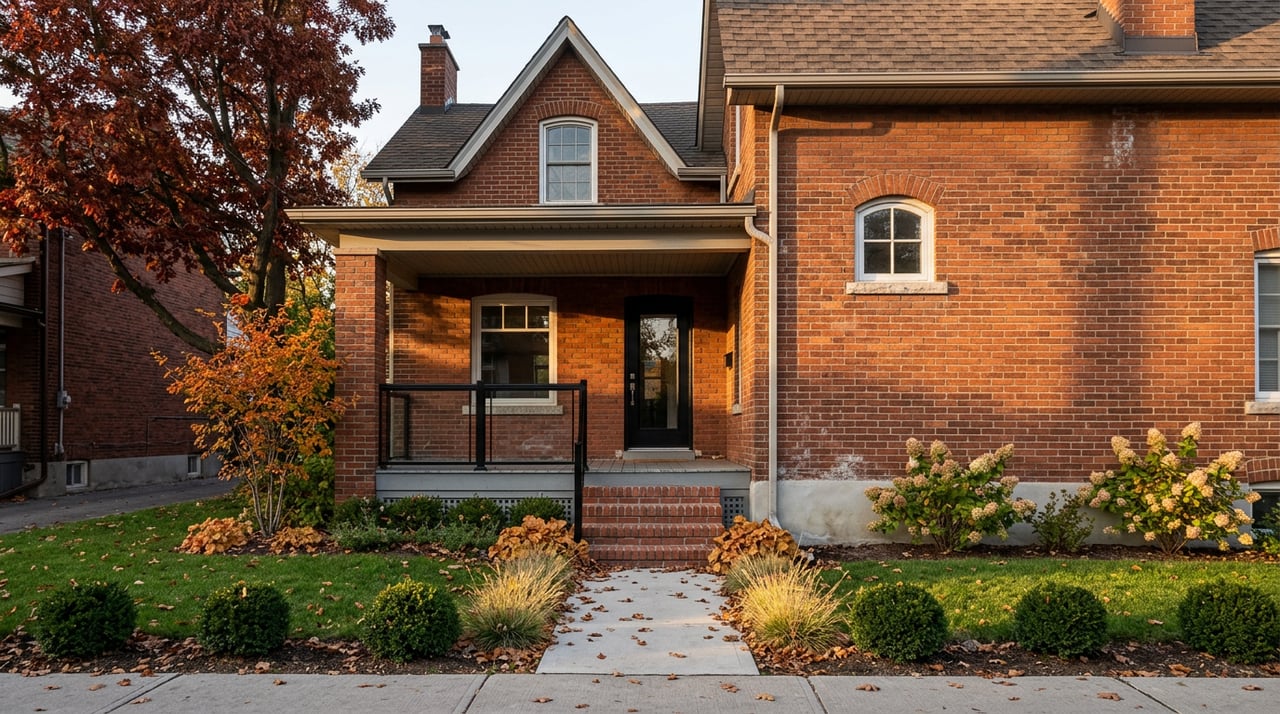
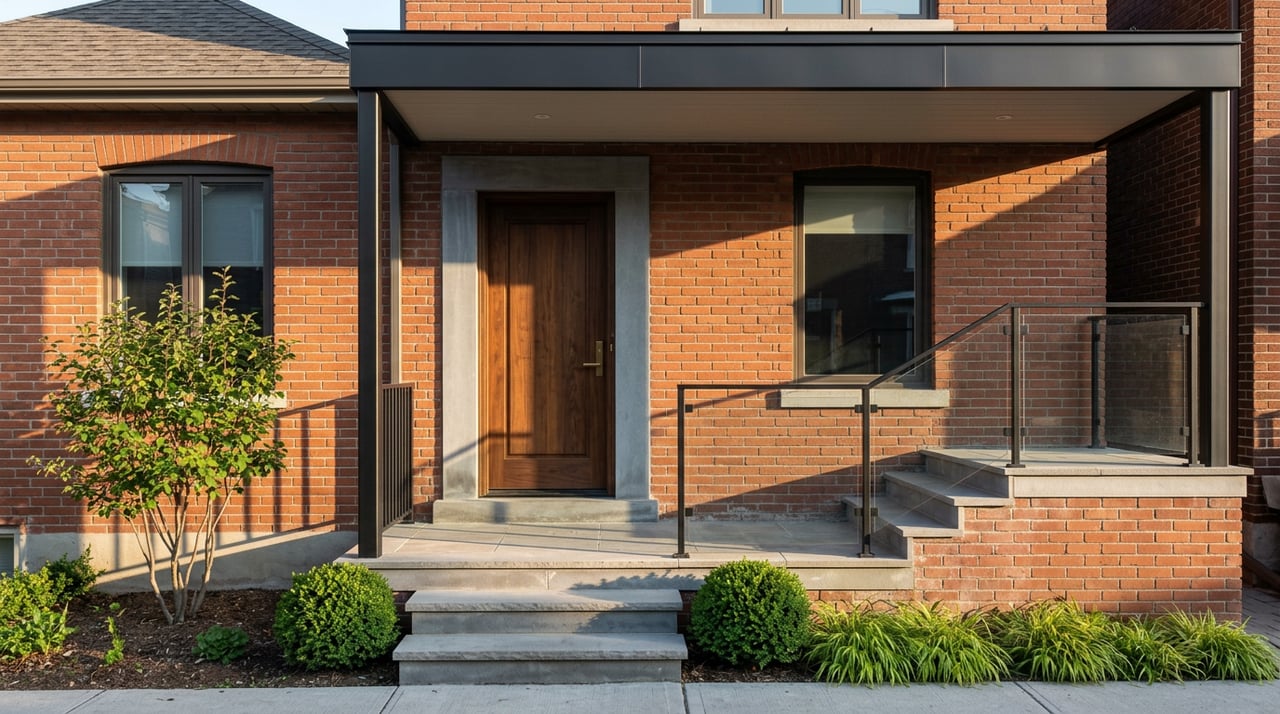
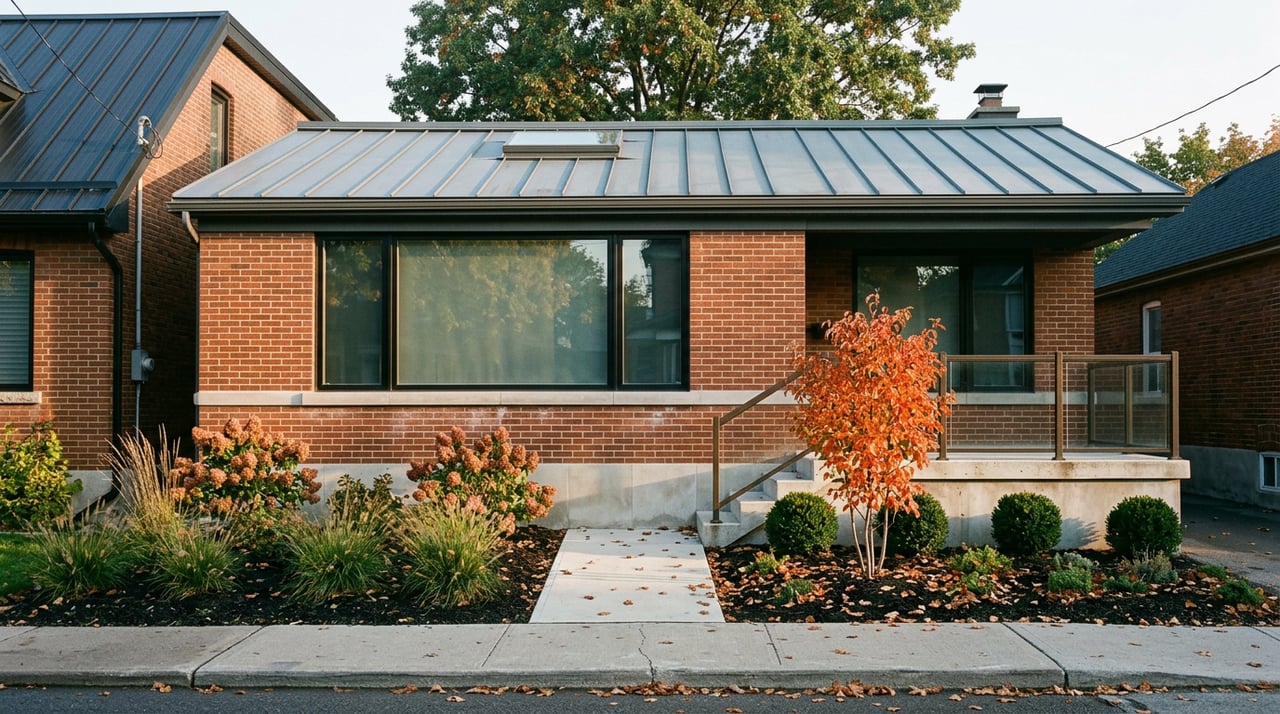
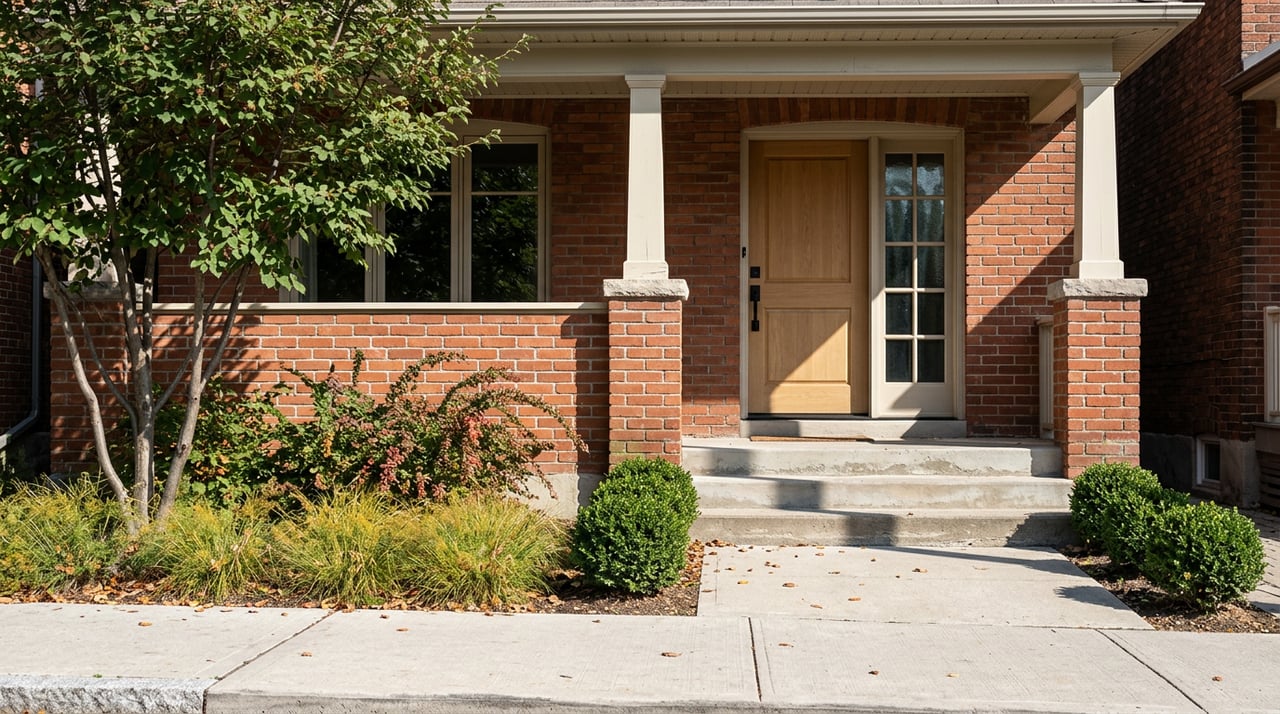
On the side streets, you will see older detached and semi-detached homes, from Victorian and Edwardian cottages to bay-and-gable houses and 1920s bungalows. Many have been renovated over time, and some have additions or rear extensions. This character gives the area its charm, along with the typical quirks that come with older construction.
Condos, townhomes, and rentals
Along Queen Street East and Kingston Road, low-rise and mid-rise buildings often include ground-floor retail with apartments or condos above. Recent mid-rise developments are more common on these arterials. You will also find townhouses and infill homes replacing older structures on narrow lots. Rental options include converted houses with secondary suites and low-rise rental apartments.
Market dynamics and competition
The Beaches is a lifestyle-driven market. Proximity to the lake and the strength of the community help support demand. Detached homes often see limited inventory, which can create competition at certain times. Because many properties are older, renovations are common, and buyers should plan for the possibility of deferred maintenance or future modernization.
Common tradeoffs to consider
- Character vs. maintenance: Older homes may need updates to mechanical systems, insulation, basements, or flood-proofing.
- Parking and storage: Many properties do not have garages, and on-street permit parking is common near the waterfront.
- Location and resale: Close access to the lake and amenities tends to support buyer interest over time, though results depend on broader market cycles.
A quick buyer checklist
Use this as a starting point when evaluating homes in M4E:
- Parking: Confirm on-street permit eligibility and any seasonal restrictions near parks and beaches.
- Structural and systems: Ask about age and condition of roof, electrical, plumbing, insulation, windows, and foundation.
- Water and drainage: Review any basement waterproofing or flood-resilience upgrades.
- Heritage and zoning: Check if the property sits in a heritage area and what that means for exterior changes or additions.
- Future plans nearby: Look into mid-rise intensification on Queen or Kingston that could add new housing and services over time.
Getting around
TTC and commute options
The 501 Queen streetcar is the main east–west transit line through the neighborhood and connects you to downtown and other transit nodes. For the subway, you can connect to Line 2 at nearby stations such as Woodbine or Main, depending on your exact address. Typical TTC trips to the core commonly fall in the 20 to 40 minute range, depending on destination and time of day. Service details can change, so check current TTC maps and schedules before you commute.
Driving and parking
Driving to central downtown can take roughly 20 to 40 minutes or more, and timing varies with weather and traffic. Parking near the waterfront operates on a permit-based system across many streets, with seasonal rules near parks and beaches. Summer events and warm weekends can increase parking pressure.
Walking and biking
If you live near Queen Street East, everyday errands are often a short walk. The beachfront’s multi-use trails and bike paths make cycling a practical option for recreation and, for some residents, a partial commute.
Schools, childcare, and services
School boards and programs
The area is served by the Toronto District School Board and the Toronto Catholic District School Board. Neighborhood elementary options are typically nearby, and public high school choices may involve a short commute. Catchments vary by street, and program offerings such as French immersion can change, so confirm details with the boards’ official tools.
Recreation and healthcare
You will find community centres, public pools, sport fields, and tennis courts around the local parks. Family doctors and walk-in clinics are present nearby, with larger hospitals a short drive or transit ride away in the east and downtown.
Groceries, retail, and dining
Queen Street East and Kingston Road offer independent grocers, specialty food shops, bakeries, coffee spots, and restaurants. For big-box retail or large-format grocery stores, you will head to nearby commercial corridors outside the immediate beach strip.
Practical considerations before you buy
Flooding and shoreline risk
Homes closest to the lake can face coastal hazards such as shoreline erosion, storm surge, and seasonal flooding. The City of Toronto and the Toronto and Region Conservation Authority monitor shoreline risks and provide maps and guidance. As part of due diligence, ask about past water issues, review floodplain information for the address, and check insurance availability and cost for water coverage.
Heritage, zoning, and renovations
Some blocks include heritage-designated structures or fall within conservation areas that affect exterior changes. Infill and mid-rise development are more common along Queen Street East and Kingston Road, while side streets generally remain low-rise. If you plan an addition or a significant renovation, review the City’s zoning bylaw and permit requirements before you buy.
Parking rules and permits
On-street permit systems are common around the lakefront, and there can be seasonal parking constraints near beaches and park spaces. Confirm what is included with the property and whether permit parking is available on your block.
Utilities and municipal services
Waste, recycling, and snow removal follow City schedules. Some beach-adjacent areas receive added seasonal maintenance tied to park operations. Ask for the property’s current collection schedule and any special considerations for your street.
Who chooses The Beaches
You will meet a mix of families who value parks and community facilities, professionals who want a walkable waterfront lifestyle, and downsizers who prefer small-urban living with easy access to cafés and daily needs. The unifying theme is simple. People choose The Beaches because it balances lake life with city convenience.
Is The Beaches right for you?
If you are drawn to mornings on the boardwalk, weekend festivals, and a main street you can stroll every day, The Beaches M4E delivers that lifestyle. The tradeoffs are real, from older-home maintenance to seasonal parking pressure, but for many buyers the waterfront setting and community feel are worth it. With the right plan, you can find a home that fits your routine and your long-term goals.
Ready to explore listings or map out a smart purchase strategy in M4E? Reach out to Derek Ladouceur for local guidance, curated tours, and a clear plan from search to keys.
FAQs
How long is the commute from The Beaches to downtown Toronto?
- Typical TTC trips often range from about 20 to 40 minutes, depending on destination and time of day.
Are The Beaches swimmable in summer?
- The City monitors water quality and posts weekly advisories during swim season, and major beaches are usually staffed with lifeguards.
Do homes in M4E face flood or erosion risk?
- Properties very close to the shoreline can face higher flood and erosion risk, so review TRCA and City guidance and confirm insurance.
Is parking difficult near the waterfront?
- Many streets use permit parking and summer events increase demand, so confirm on-street rules and any private parking at the property.
What housing types are common in M4E’s Beaches area?
- You will find older detached or semi-detached homes, townhomes, and low- to mid-rise condos or apartments along major streets.
What are the main transit options in The Beaches?
- The 501 Queen streetcar is the primary east–west line, with nearby subway connections and regional GO access via transfers outside the beach strip.