Thinking about trading yard work for lake walks and simpler living? If you love The Beaches and want less maintenance without losing your daily stroll on the boardwalk or quick access to Queen Street East, you’re in the right place. Downsizing in M4E can feel complex, but with a clear plan you can move smoothly and stay rooted in the community you love. In this guide, you’ll learn your housing options, costs to plan for, a step-by-step timeline, and local logistics to make it easy. Let’s dive in.
Why downsize in The Beaches (M4E)
The Beaches offers walkable access to the waterfront, the boardwalk, Kew Gardens, and the Queen Street East café and boutique strip. You also have easy streetcar access along the TTC 501 Queen line and nearby community services. If you value single-level living, fewer stairs, and staying close to your regular coffee spot and the lake, right-sizing within M4E is a practical next step.
Right-size housing options in M4E
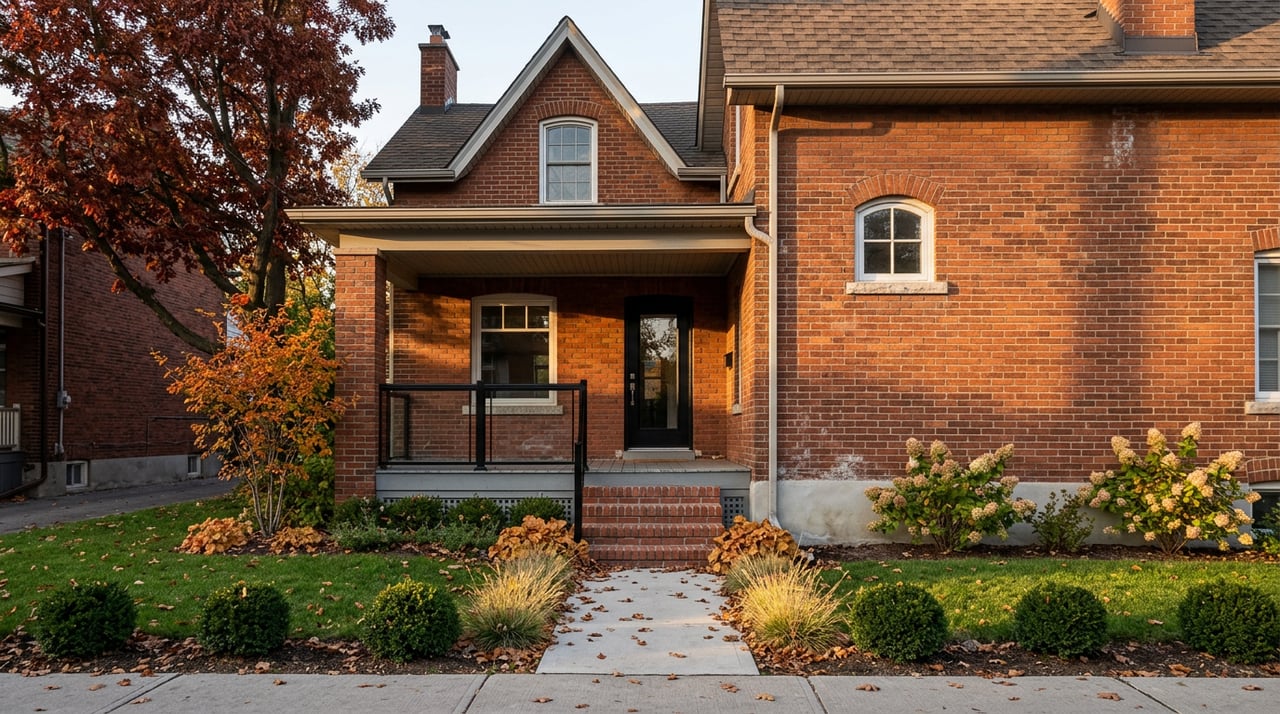
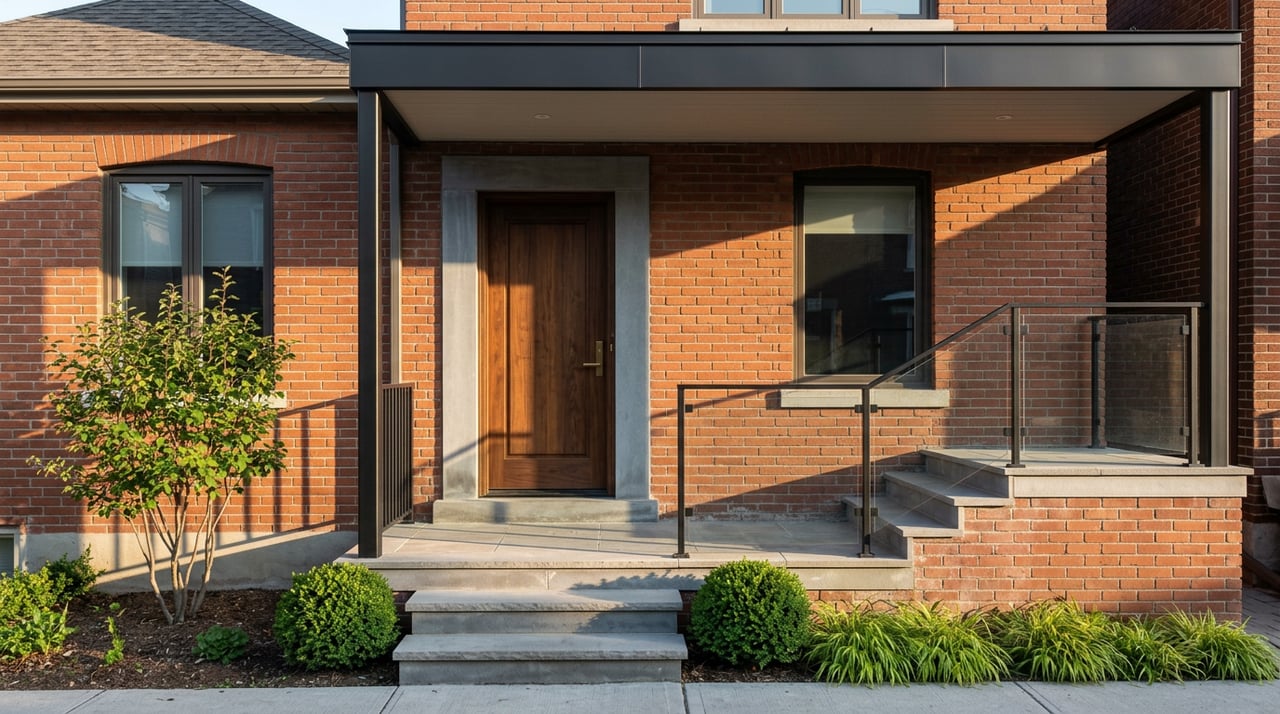
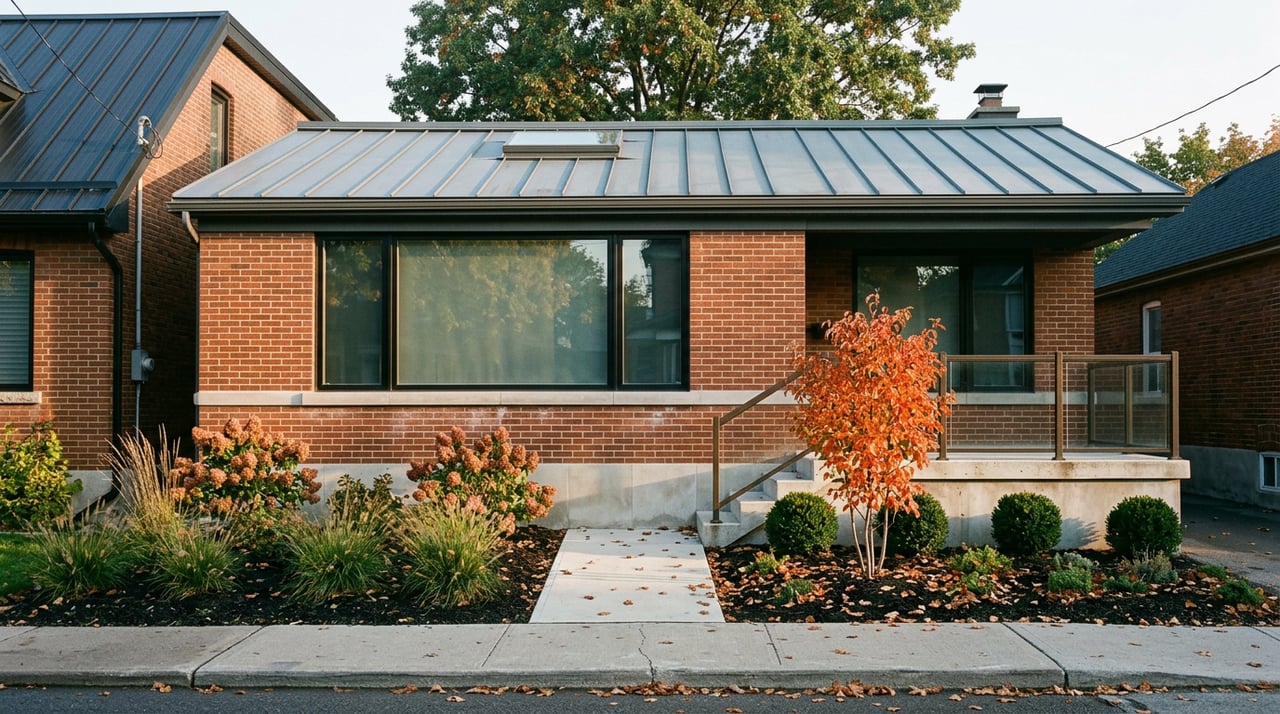
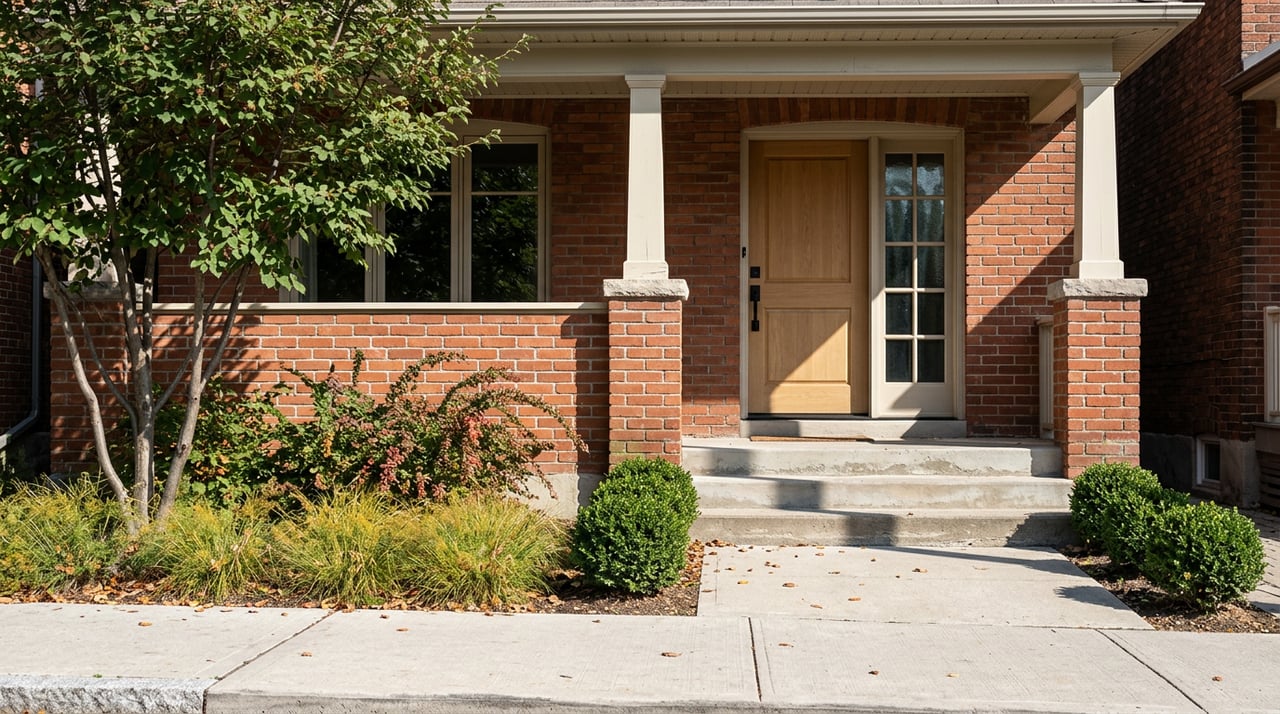
You have three common paths: boutique or low-rise condos, townhomes, and smaller semis or detached houses. Each option trades space and maintenance in different ways.
Boutique and low-rise condos
- Pros: Single-level living, elevator access, less personal maintenance, and convenient locations near Queen Street East. Some buildings offer amenities like common rooms, bike storage, visitor parking, and concierge.
- Cons: Monthly condo fees, potential special assessments, limited private outdoor space, and parking that may be limited or cost extra. Review the status certificate, bylaws, reserve fund, and pet or renovation rules.
- What to look for: Efficient floor plans, step-free access, storage units or large closets, proximity to grocery and pharmacy, assigned parking, and a recent reserve fund study.
Townhomes (freehold or condo-townhouse)
- Pros: A smaller footprint with some private outdoor space, more privacy than an apartment, and many locations close to Queen Street East.
- Cons: Stairs are still part of daily life. Freehold townhomes avoid condo fees but require more maintenance. Condo-townhomes require reviewing condo documents.
- What to look for: Layouts with fewer stairs where possible, updated major systems, and clear rules if part of a condo corporation.
Smaller semis and detached houses
- Pros: Keep the “house” lifestyle with a private entrance and yard, plus storage in a basement or garage.
- Cons: More maintenance than condo living and often multiple levels. Inventory can be competitive within M4E.
- What to look for: Manageable yard size, fewer stair runs, and a maintenance plan.
Quick comparison
| Option | Pros | Cons |
|---|---|---|
| Boutique/low-rise condo | Single-level, elevator, low maintenance, near shops/transit | Monthly fees, limited outdoor space, parking may be extra |
| Townhome | Some outdoor space, privacy, close to amenities | Stairs, maintenance for freehold, condo rules for condo-townhomes |
| Smaller semi/detached | House feel, private entrance, more storage | Higher maintenance, stairs, variable inventory |
How to choose the right fit
Focus on what matters most in The Beaches:
- Proximity to water and Queen Street East. Many downsizers want a short walk to the boardwalk, shops, and services.
- Parking and guest parking. Street rules vary. On-site parking can be a premium.
- Building age and accessibility. Newer boutique condos often have better step-free access. Older condos may have lower fees but smaller reserve funds.
- Heritage and exterior changes. If you plan exterior work on a house, check potential heritage or conservation guidelines through city resources.
Costs and legal details to plan for
When you compare options, look at both the one-time and ongoing costs.
- Ongoing costs: Condo fees compared with freehold maintenance, plus property taxes and utilities. Review reserve fund studies and meeting minutes for possible large projects in condo buildings.
- Purchase and sale costs: Ontario and City of Toronto land transfer taxes apply on Toronto purchases, plus legal fees, title insurance, home inspection fees for houses, and a status certificate fee for condos. Budget for moving costs and any overlap if you need a short period to hold two properties.
- Tax considerations: The sale of your primary residence is generally exempt from capital gains tax if it qualifies. If you currently rent part of your home or have unique circumstances, consult a tax professional.
- Condo due diligence: Order and review the status certificate. Confirm parking and locker allocations, fees, bylaws, rules, reserve fund details, pet policies, and any renovation restrictions.
Step-by-step downsizing plan and timeline
Most moves go smoothly when you start planning 3 to 6 months ahead.
3 to 6 months before moving
- Take a financial snapshot: mortgage payoff, expected proceeds, purchase budget, and whether you need a bridge loan or overlap.
- Choose your target housing type and list non-negotiables like elevator access or parking.
- Interview a local agent for market timing and comparable sales.
- Begin light decluttering and note furniture to keep, sell, donate, or store.
8 to 12 weeks before moving
- Prepare your home for sale: repairs, staging, and professional photos.
- Start viewing replacement properties. For condos you are serious about, request status certificates early.
- Get moving company quotes and confirm any parking or permit needs for both addresses.
- If you have pets or specialty items, confirm building rules and elevator booking procedures.
4 to 6 weeks before moving
- Accept an offer and coordinate closing dates to limit overlap.
- Pack by room, label clearly, and keep an inventory.
- Notify utilities, Canada Post, banks, insurers, and healthcare providers of your address change.
- Arrange any accessibility updates for your new home, like grab bars or shower changes.
2 weeks before moving
- Confirm movers, elevator bookings, loading dock times, and any street permits.
- Pack “essentials” boxes with documents and medications.
- Defrost the fridge, plan appliance disconnections if needed, and book cleaning for move-out.
Moving day and follow-up
- Complete a final walkthrough and hand off keys as instructed.
- Confirm utilities and building access at your new place.
- Update municipal tax and utility accounts and any parking permits.
Local moving logistics in The Beaches
- Narrow streets and parking: Some streets are tight. Moving trucks may need temporary no-parking signs or permits through the city or your condo manager.
- Condo elevator bookings: Buildings often require a deposit, set moving windows, and protective padding for elevators. Book early.
- Storage options: Short-term storage throughout east Toronto can help you stage your current home or bridge seasonal items.
- Movers: Check references and insurance coverage, and book early for peak months from May to September.
Make smaller spaces work
- Space planning: Favor efficient layouts with good storage. Consider closet organizers and built-ins.
- Accessibility: Prioritize step-free entry, elevator access, wider doorways, and walk-in showers or room to add them.
- Outdoor access: If a yard matters, consider townhomes. Many condo units offer balconies or terraces, and parks are nearby.
- Community connections: Stay close to Queen Street East cafés, community centers, and the waterfront to keep your social routine thriving.
Right-sizing checklist
Use this list to guide your sorting and setup.
- Rooms to prioritize: kitchen, bedroom, living room, bathroom, entry closet, and storage areas.
- Items to keep: everyday furniture, practical kitchenware, sentimental items, and seasonally used gear that fits your new storage.
- Items to sell or donate: duplicates, oversized pieces, and rarely used appliances.
- Items to store: archives or seasonal gear that will not fit day to day.
- Services to line up: real estate agent, lawyer, mover, organizer or estate sale help, and an accessibility contractor if needed.
Questions to ask before you buy
- For condos: What do the status certificate, reserve fund study, bylaws, and recent AGM minutes reveal about upcoming projects? What are the current fees and what do they include? What are the rules on pets, short-term rentals, and renovations? Is parking and a locker assigned or on a waitlist?
- For townhomes and houses: What is the age and condition of major systems? Are there any known zoning, tree, or heritage considerations? Is there a recent survey or property report? How will property taxes and utilities compare with your current home?
How a local agent helps you right-size
A local expert saves you time by filtering units that fit your must-haves, flagging accessibility features, and timing your sale and purchase for a smooth move. You get clear comparisons of condo fees versus freehold upkeep, guidance on status certificates and reserve funds, and help booking staging and photography so your current home shows beautifully. If you want a calm process with strong presentation and neighbourhood insight, let’s talk about your plan.
Ready to start? Connect with Derek Ladouceur for a personalized downsizing strategy in The Beaches.
FAQs
What housing options suit downsizers in The Beaches (M4E)?
- Boutique condos for single-level living, townhomes for some outdoor space, and smaller semis or detached houses if you want to keep the house lifestyle.
How do condo fees compare with house maintenance in Toronto?
- Fees vary by building and inclusions, while freehold owners budget for repairs and utilities; compare current expenses with condo fees to decide what works for you.
What should I review in a condo’s status certificate before buying?
- Check the reserve fund, bylaws, rules, audited financials, AGM minutes, parking and locker details, and any limitations on pets or renovations.
What taxes and closing costs should I expect when downsizing in Toronto?
- Plan for Ontario and City of Toronto land transfer taxes on the purchase, plus legal fees, title insurance, inspections for houses, and a status certificate fee for condos.
How can I reduce stairs and improve accessibility when I downsize?
- Choose elevator buildings, step-free entries, and single-floor layouts, and consider upgrades like lever handles and walk-in showers.
What is a realistic downsizing timeline for selling and buying in M4E?
- Many moves work well on a 3 to 6 month plan that covers decluttering, listing prep, property searches, closing coordination, packing, and move logistics.